OUR SERVICES

Agriculture Services

Professional pest management, fumigation, seed services, and agricultural consultancy — protecting crops, stored commodities, and food security across Afghanistan.

SERVICE 01

Pest Control in Agriculture

Pest control is the science and practice of preventing, reducing, or eliminating pests that damage crops, livestock, stored products, and agricultural property. The goal is to increase crop yield, improve quality, reduce economic losses, and protect human and environmental health.

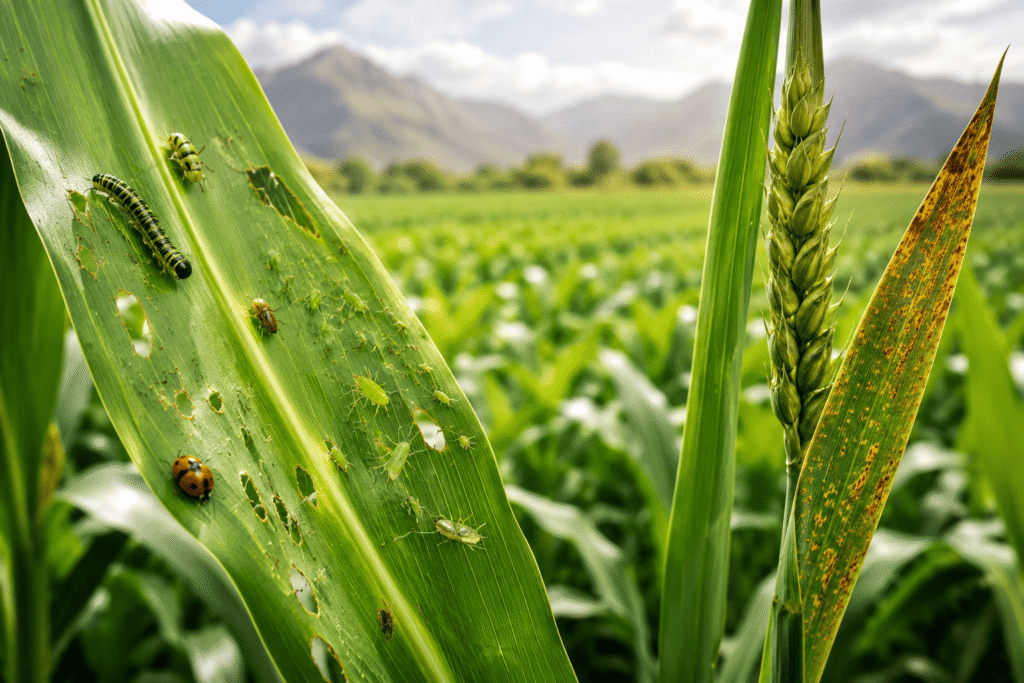
Insects

Aphids, caterpillars, locusts, whiteflies, beetles, termites, and fruit flies.

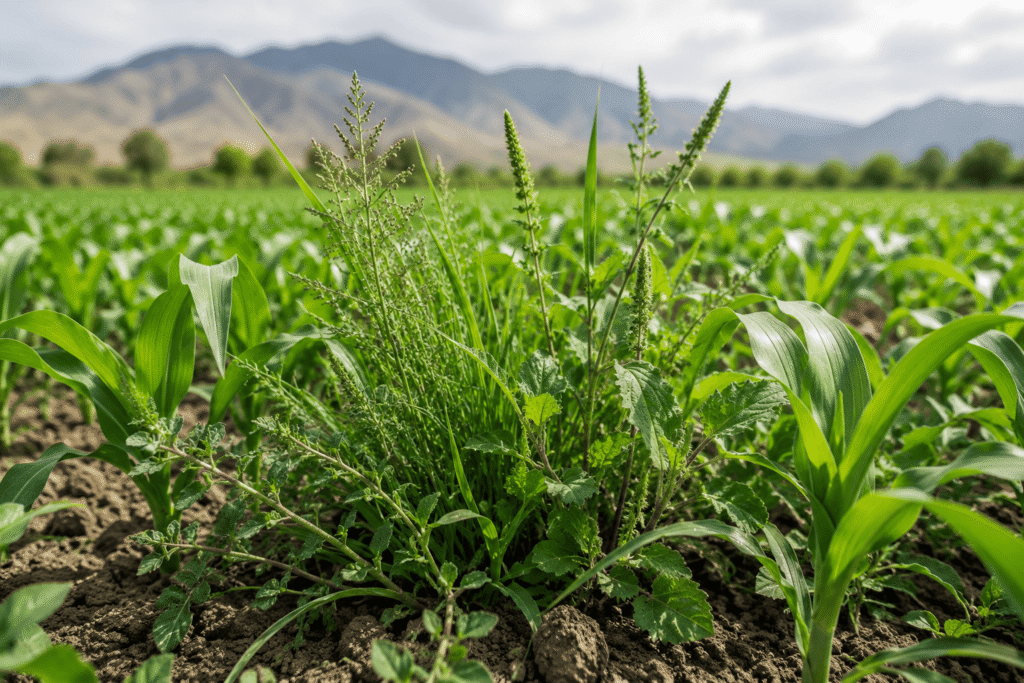
Weeds

Unwanted plants that compete with crops for water, nutrients, sunlight, and space.

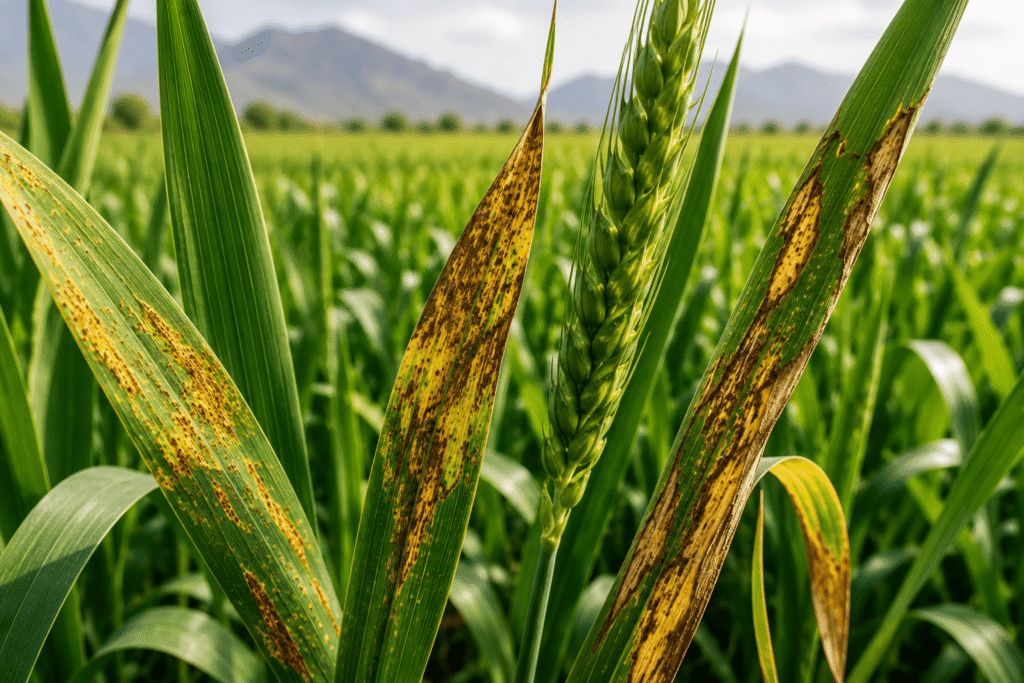
Diseases

Caused by fungi, bacteria, viruses, and nematodes.

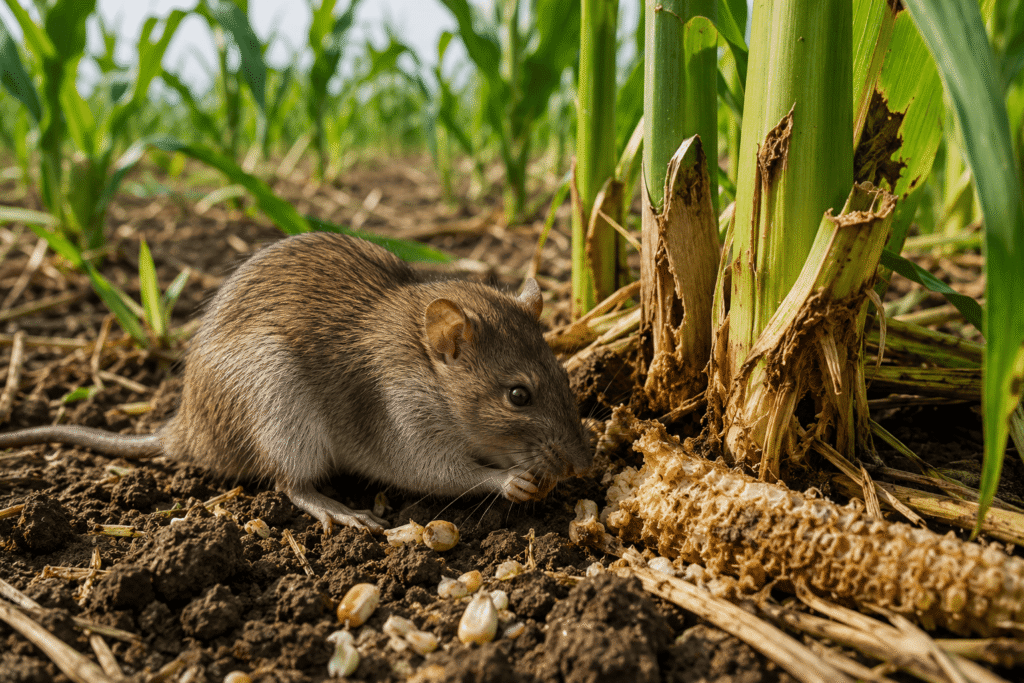
Rodents

Rats and mice that destroy crops and contaminate stored grain.

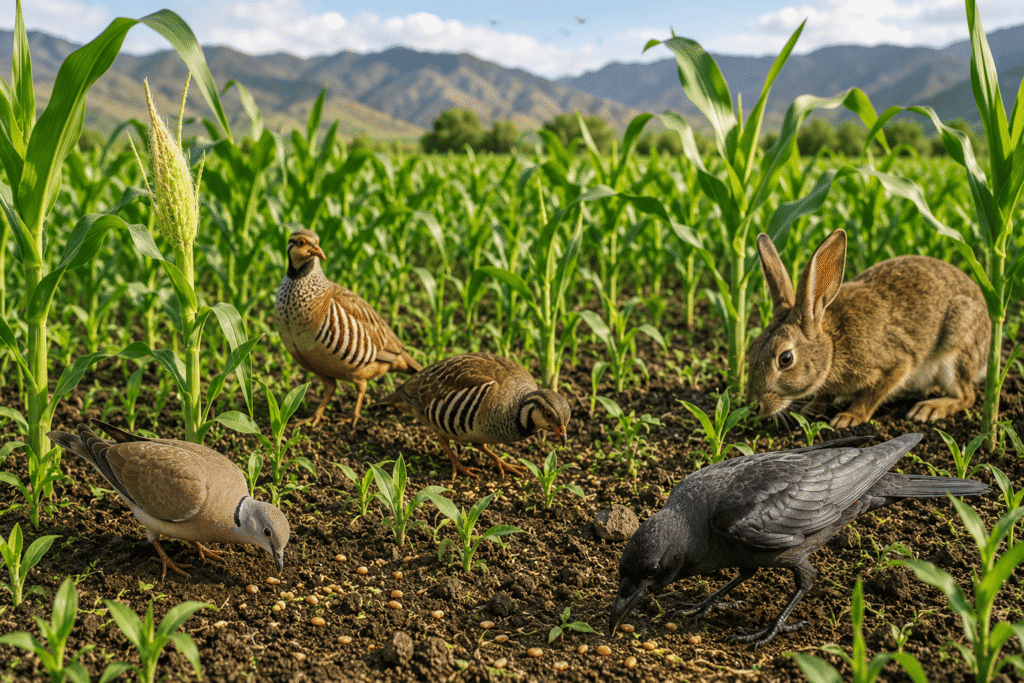
Birds & Wild Animals

May eat seeds, fruits, and vegetables or damage crops.

Why It Matters

Effective pest control increases yield, protects stored grain, and safeguards farmers’ investments.

Main Methods of Pest Control

1. Biological Control

Using natural enemies to control pests — ladybugs eating aphids, parasitic wasps attacking caterpillars, and beneficial fungi or bacteria that kill harmful insects.

2. Chemical Control

Applying pesticides — insecticides, herbicides, fungicides, and rodenticides — always used according to label instructions and with protective equipment.

3. Mechanical & Physical Control

Hand-picking insects, setting traps, installing insect-proof nets, removing infected plants, and deep plowing to destroy pest habitats.

4. Cultural Control

Changing farming practices — crop rotation, proper timing, certified seeds, irrigation and drainage, field cleaning, and healthy soil management.

5. Integrated Pest Management (IPM)

Combines biological, cultural, mechanical, and chemical methods. Chemicals are used only when monitoring shows they are truly needed — effective, economical, and environmentally responsible.

Common Crops and Their Major Pests

CropCommon Pests
WheatAphids, rust diseases, armyworms
RiceStem borers, planthoppers, blast disease
MaizeFall armyworm, stem borers
CottonBollworms, whiteflies
VegetablesAphids, caterpillars, thrips, fungal diseases
Fruit TreesFruit flies, scale insects, mites

Pest Control Services We Offer

  • Agricultural field inspections
  • Pest identification
  • Crop protection programs
  • Greenhouse pest management
  • Warehouse and grain storage fumigation
  • Rodent control
  • Weed management
  • Disease diagnosis and treatment
  • Safe pesticide application
  • Farmer training and consultation
  • Pest monitoring and reporting

Equipment Used

  • Backpack sprayers
  • Motorized mist blowers
  • Tractor-mounted boom sprayers
  • ULV (Ultra Low Volume) sprayers
  • Fogging machines
  • Fumigation equipment
  • Rodent traps and bait stations
  • Protective clothing (gloves, masks, goggles, coveralls)

Safety

Safe pest control requires:

  • Correct identification of the pest
  • Choosing the right control method
  • Wearing personal protective equipment (PPE)
  • Following pesticide label instructions
  • Preventing contamination of water, food, and livestock
  • Safely storing and disposing of pesticides

A professional pest control program not only eliminates current pest problems but also focuses on prevention — helping farmers protect their crops sustainably while minimizing risks to people and the environment.

SERVICE 02

Professional Fumigation Services

Fumigation is a specialized pest control method in which a toxic gas (fumigant) is released into a tightly sealed space to kill insects and other pests. Because the gas spreads throughout the enclosed area, it can reach pests hidden inside grain, packaging, cracks, and other places that sprays cannot reach.

Where Fumigation Is Used

  • Grain silos and warehouses
  • Flour mills
  • Shipping containers
  • Food processing facilities
  • Stored seeds
  • Wooden pallets and timber (quarantine)
  • Some greenhouses or enclosed structures

Common Fumigants

  • Phosphine (PH₃) — widely used for stored grain and warehouses
  • Sulfuryl fluoride — used in some countries for structural fumigation
  • Other fumigants may be used depending on local regulations and the target pest

The choice of fumigant depends on the commodity, the pest, and the laws of the country.

Step-by-Step Fumigation Process

01

Inspection

Identify the pest, assess infestation level, check for leaks, and measure the area or volume to be fumigated.

02

Preparation

Remove people, animals, and unnecessary items. Seal the space, place warning signs, and prepare safety equipment.

03

Fumigant Application

Applied according to manufacturer instructions by trained, authorized personnel only. Area stays sealed throughout.

04

Exposure Period

Fumigant stays in place long enough to kill eggs, larvae, pupae, and adults — timing depends on temperature, humidity, and pest type.

05

Aeration

Structure opened and ventilated thoroughly. Gas concentrations measured before anyone is allowed to enter.

06

Final Inspection

Confirm effectiveness, check for surviving pests, and prepare a fumigation report with preventive recommendations.

Advantages

  • Kills insects in all life stages (egg, larva, pupa, adult) when used correctly
  • Penetrates deeply into stored grain and packaging
  • Treats large quantities of stored products efficiently
  • Leaves little or no residue on many commodities when properly completed

Safety Precautions

Fumigation is a high-risk operation because fumigant gases are highly toxic to humans and animals.

  • Only trained and licensed fumigators should perform fumigation
  • Wear the correct personal protective equipment (PPE)
  • Use calibrated gas monitoring equipment
  • Never enter a fumigated area until testing confirms it is safe
  • Follow all national regulations and manufacturer instructions
  • Keep unauthorized people away from the treatment area
SERVICE 03

Seed Services

  • Seed treatment
  • Seed protection
  • Seed quality support
  • Technical advisory services
  • Farmer training on seed handling and storage
SERVICE 04

Agricultural Consultancy

  • Farm assessments
  • Pest risk analysis
  • Food storage management
  • Capacity building and technical training
  • Agricultural extension services

Need Agricultural Services?

Contact our team for pest management, fumigation, seed services, and agricultural consultancy across Afghanistan.